Scuttlebutt
⚓ Scuttlebutt: Little-Known Maritime Facts
Saltwater Can Destroy a Vehicle in Less Than 48 Hours
Saltwater Can Destroy a Vehicle in Less Than 48 Hours
The Word “Scuttlebutt” Comes from a Water Barrel
On sailing ships, a scuttlebutt was a cask of drinking water. Sailors gathered there to drink — and gossip. Over time, the word became synonymous with rumors and insider talk, especially in maritime culture.
Saltwater Can Destroy a Vehicle in Less Than 48 Hours
Saltwater Can Destroy a Vehicle in Less Than 48 Hours
Saltwater Can Destroy a Vehicle in Less Than 48 Hours
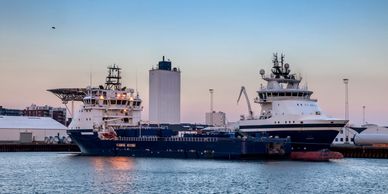
When cars or heavy equipment are exposed to seawater, electrical corrosion begins almost immediately. Even if a vehicle appears undamaged, hidden corrosion can make it unsafe within days — a major issue in port recoveries.
The Ocean Is Still Largely Unmapped
Saltwater Can Destroy a Vehicle in Less Than 48 Hours
A Ship Can Change Flag in a Single Day
Over 80% of the ocean floor remains unexplored. Many ports operate near underwater terrain that has never been fully surveyed, which is why seabed inspections and updated charts remain critical.
A Ship Can Change Flag in a Single Day
Ports Are Considered Critical National Infrastructure
A Ship Can Change Flag in a Single Day
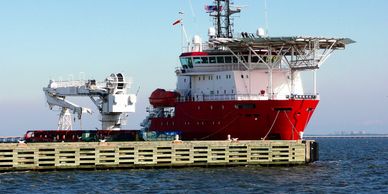
Re-flagging a vessel can be completed in as little as 24 hours in some registries, instantly changing the legal framework governing inspections, crew requirements, and compliance obligations.
Many “Total Loss” Vessels Can Still Float for Weeks
Ports Are Considered Critical National Infrastructure
Ports Are Considered Critical National Infrastructure
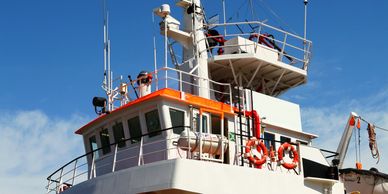
Even heavily damaged ships often remain afloat due to compartmentalization. This can complicate salvage, recovery, and environmental protection operations long after an incident.
Ports Are Considered Critical National Infrastructure
Ports Are Considered Critical National Infrastructure
Ports Are Considered Critical National Infrastructure
Most people think of ports as commercial hubs, but governments classify major ports as strategic security assets. This is why ISPS compliance and access control are treated with the same seriousness as airports.